Platform bed frames provide a low-profile foundation that supports mattresses while exposing a clean, modern silhouette. This category emphasizes structural integrity, materials, and design features such as slatted or solid surfaces, built-in headboards, and easy under-bed clearance. Understanding frame construction helps ensure durability, stability, and compatibility with various mattress types and bedding.
Key considerations include frame height, edge support, and the type of foundation used. Platform frames often use sturdy slats or a solid panel to evenly distribute weight, reducing wear on the mattress. The right choice balances aesthetics with function, enabling effective airflow, moisture management, and easy bed maintenance in bedrooms.
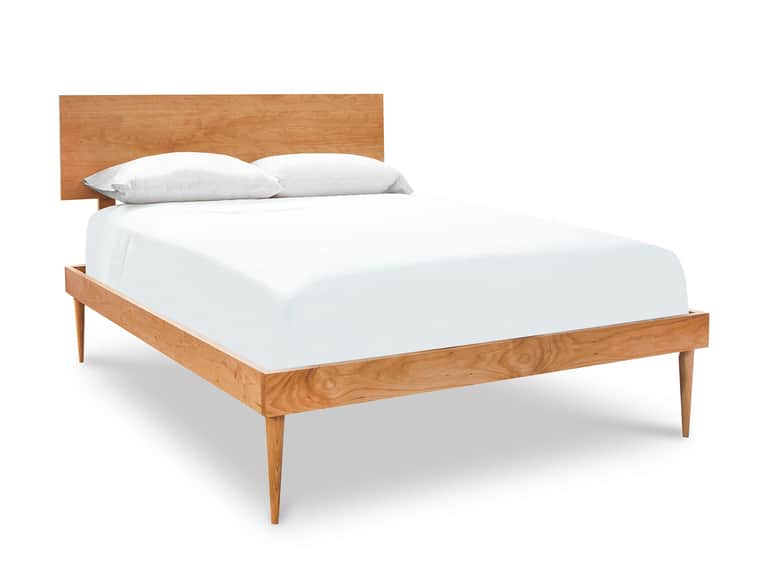
Within this category, the Larssen Bed demonstrates how platform frames combine form and function. Notable features may include a recessed base for a floating appearance, integrated headboard design, and optimized leg spacing for under-bed storage compatibility. Functional benefits focus on long-term support, easy assembly, and compatibility with organic and conventional bedding.
Material selection influences longevity and comfort. Common options include engineered wood, solid hardwood, and high-strength composites, each offering varying levels of torsional rigidity and resistance to warping. For bedding ecosystems, a platform frame should work harmoniously with pillows, sheets, duvet covers, and organic mattresses to maintain overall sleep quality.
Understanding dimensions, weight capacity, and maintenance requirements helps consumers evaluate compatibility with bedding systems. A well-chosen platform bed frame supports not only the mattress but also pillows and linens, contributing to a cohesive sleep environment. Keywords such as bedding, pillows, sheets, duvet covers, and organic mattresses are integral to contextual relevance.
 Furniture