Bed covers serve as a foundational layer in bedroom comfort, combining aesthetic appeal with practical warmth and protection for bedding. This category highlights fabric choices, weave structures, and finishing techniques that influence breathability, durability, and feel. Understanding these elements helps identify options that support restful sleep and long-term bed care, including easy maintenance and compatibility with a range of sheets and duvets.
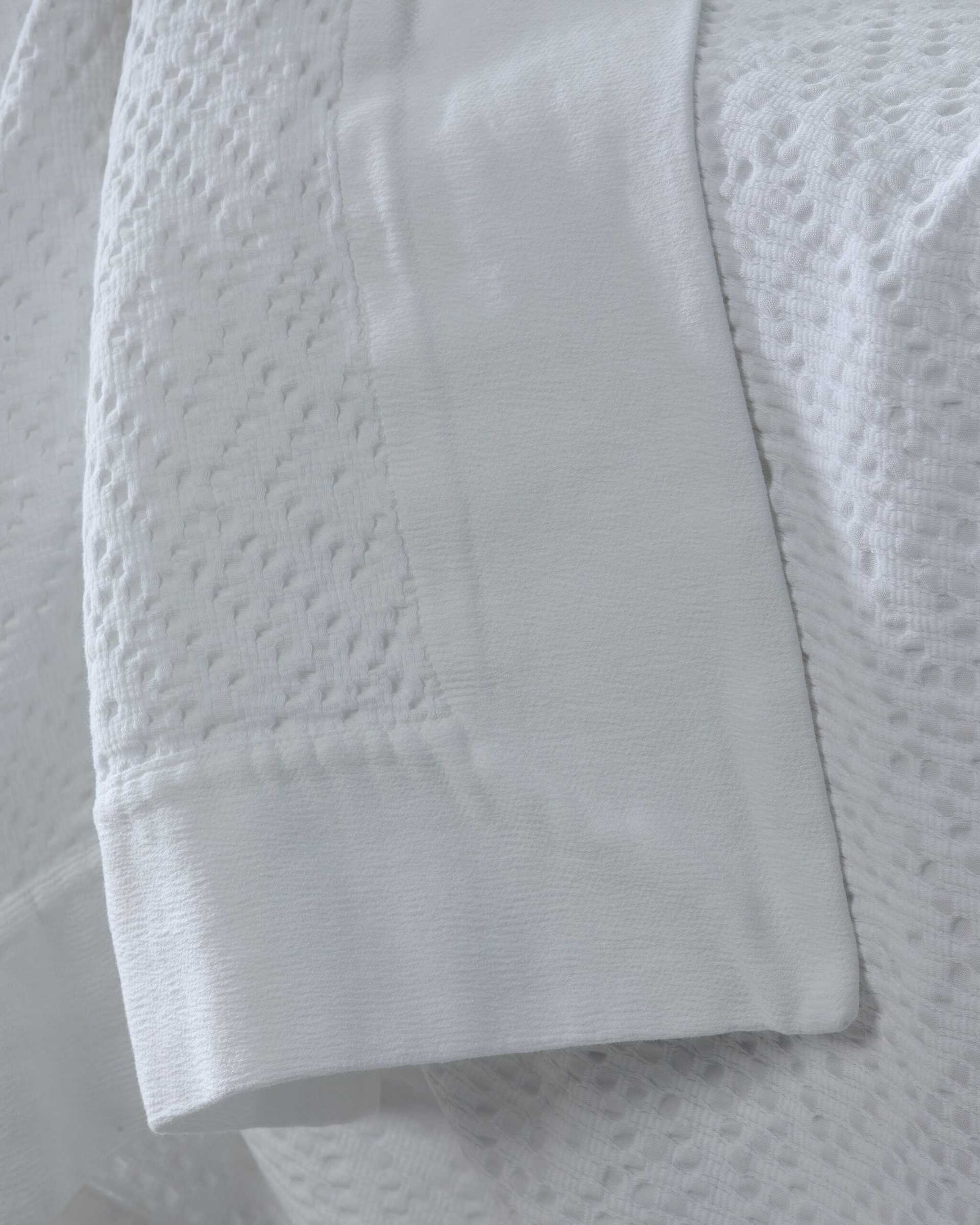
Key features to consider include fabric composition, thread count, and weave patterns such as matelassé or quilted textures. The Topanga Organic Matelasse Coverlet exemplifies how a textured surface can add dimension while maintaining lightweight warmth. Choices like these balance insulation with airflow, contributing to a comfortable climate throughout different seasons without bulk.
Functional benefits of bed covers extend to layering with other bedding components, aiding temperature regulation and sleeping comfort. A high-quality coverlet or bedcover should be easy to launder, resist pilling, and retain shape after washing. Materials chosen for organic or natural fibers often emphasize skin-sensitivity considerations and sustainable manufacturing practices.
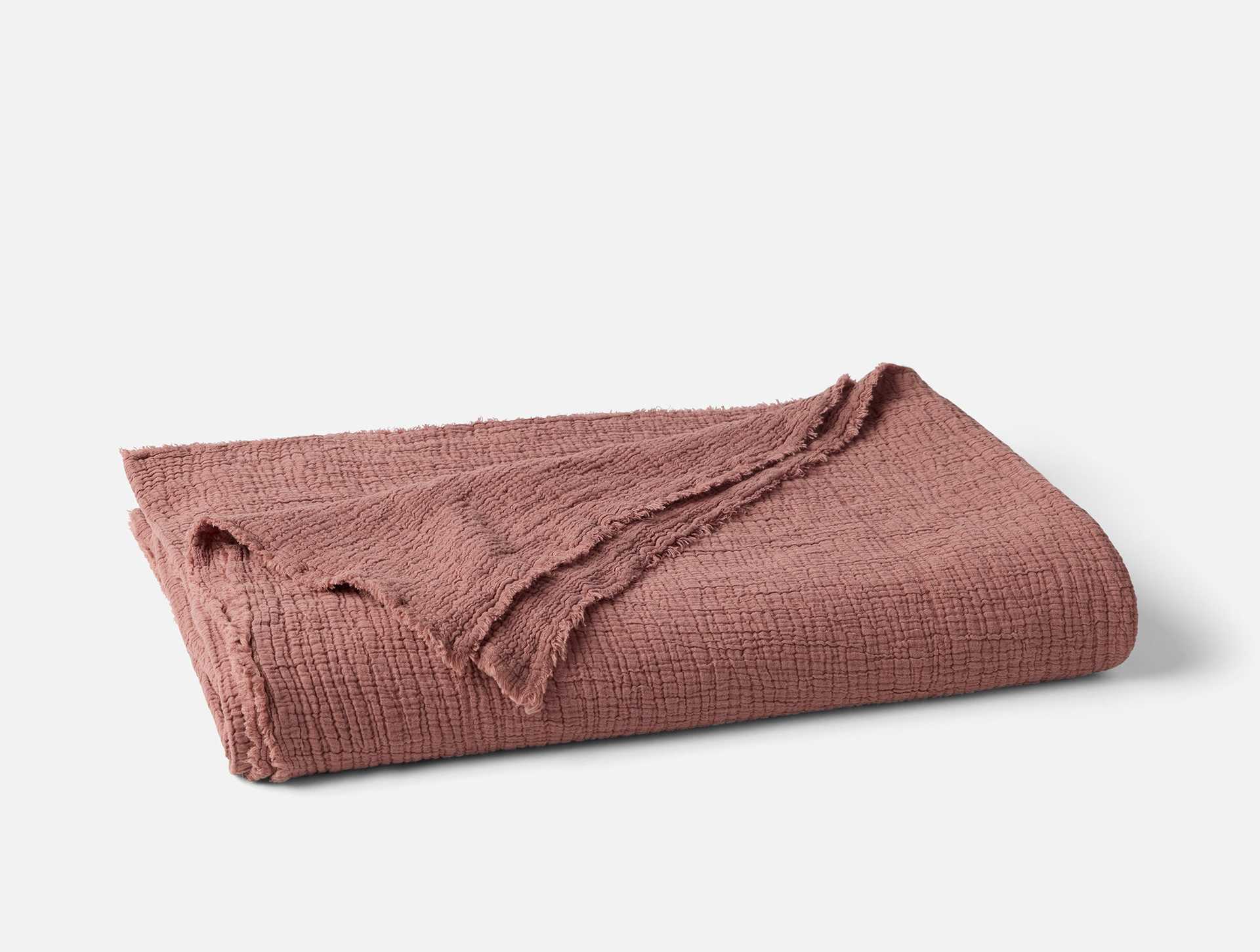
Within this category, the Tex Bedcover demonstrates how structured quilting and nested padding provide a crisp silhouette and durable protection for underlying sheets and pillows. Such designs support a neat bed presentation while delivering dependable warmth, making them suitable for year-round use in diverse sleeping environments and room decors.
Overall, bed covers integrate aesthetic texture with practical performance, aligning with bedding essentials like pillows, sheets, and duvet covers. By examining fabric weight, warmth, and care instructions, consumers can select options that harmonize with existing bedding setups and contribute to a cohesive, comfortable sleeping space.
 Bedding