Foundations of hotel-grade textiles
Hotels have long curated a sleep experience that feels effortless, almost invisible to the guest while remaining relentlessly reliable. The best linens wear their durability lightly; they do not shout about their tensile strength or thread counts, they quietly endure. In practice, hotel-grade textiles favor materials that balance comfort, longevity, and easy maintenance. Cotton remains a perennial favorite—especially long-staple varieties—because its fibers stand up to repeated laundering without losing shape or softness. Linen, with its natural moisture management and crisp hand, offers an ideal coolness in warm climates and a structured feel that helps a bed remain composed after the first wakeful hour.
Weave matters as much as fiber. Percale, with its crisp, breathable surface, and sateen, with a smoother, more draped hand, are standard-bearers in hotel rooms. The former tends toward a cooler, more tactile surface—great for hot nights—while the latter provides a more enveloping softness with a subtle sheen. Yet, weave is not a blanket explanation for performance. Thread count, often a misunderstood statistic, should be viewed in concert with thread quality, yarn finish, and finish durability. A 300-thread-count percale can outperform a 600-thread-count sateen if the fibers and finishing processes favor wear resistance and colorfastness.
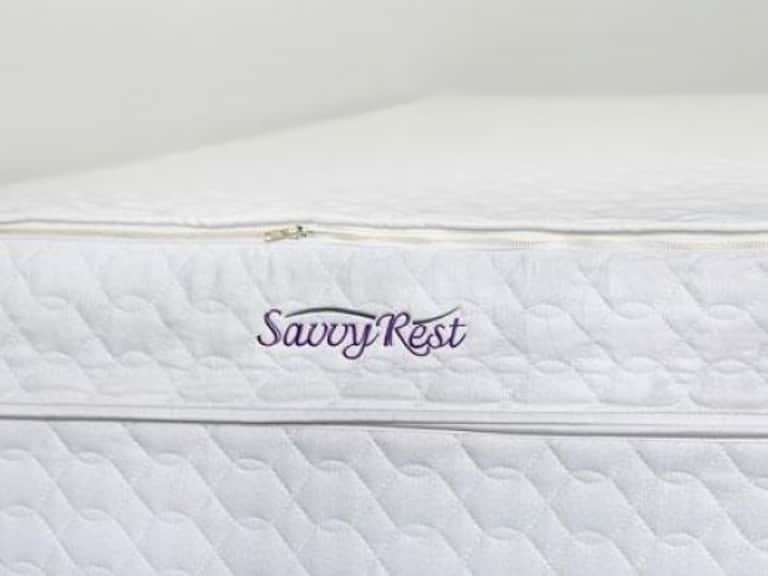
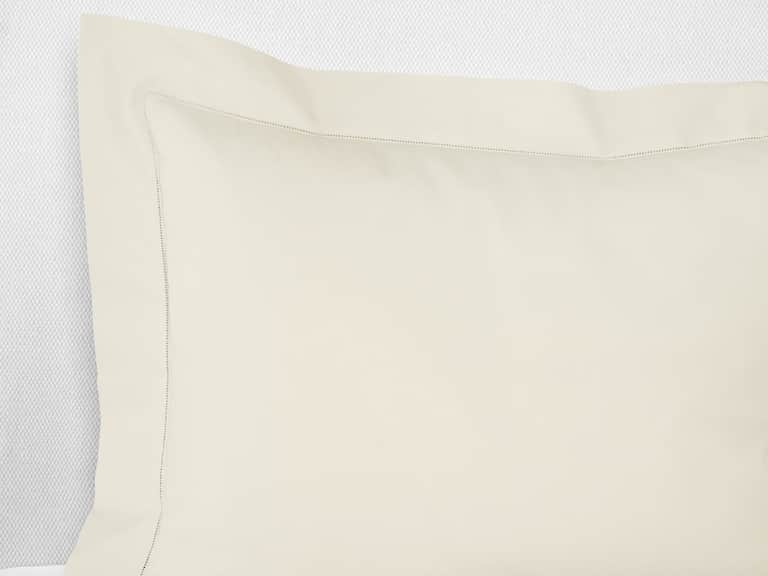
In the modern hotel room, you’ll also encounter bedding engineered for lifecycles: sheets and pillow covers with robust edge finishing, mattress protectors designed to be both breathable and protective, and toppers that balance comfort with hotel-standard hygiene practices. The result is a sleep surface that feels cohesive, resilient, and subtly luxurious.
Certifications and standards that matter
Certifications function as a shared language across producers, designers, and hospitality managers. They offer a way to gauge safety, environmental impact, and lifecycle performance beyond the initial feel of a fabric. Among the most impactful certifications are OEKO-TEX and GOTS.
- OEKO-TEX: A broad textile safety standard that screens for harmful substances. It is not a guarantee of sustainability per se, but it is a reliable indicator that textiles have been tested for health hazards in consumer use.
- GOTS (Global Organic Textile Standard): The leading framework for organic textiles, covering both environmental and social criteria. GOTS certification signals organic origin, responsible processing, and humane working conditions.
- Other certifications worth knowing: Bluesign, MADE IN GREEN, and various country-specific textile standards that focus on waste management, chemical use, and supply-chain ethics.
For hotel procurement teams, these certifications translate into practical assurances: safer laundering processes, reduced allergen exposure for guests, and a clearer path to sustainable lifecycles. For consumers, a product bearing these marks offers a higher probability of consistent performance across many wash cycles and seasons.
Assessing durability in everyday use
Durability is a composite of washability, colorfastness, and structural integrity over time. Hotels test these attributes through repeated laundering, aggressive stain resistance, and standardized dry cycles. While home climates vary, the spirit of the test remains: will the linen hold its shape, color, and hand after 50, 100, or 200 machine cycles?
Practical tests you can perform at home include:
- Wash and dry cycle: observe how the fabric handles heat, agitation, and drying. Does the fiber recover its hand without pilling or distortion?
- Colorfastness test: launder with typical household detergents and assess for fading or dye bleed.
- Edge and seam integrity: inspect corner stitching and hems after several cycles for blooming wear or thread breakage.
A considered hotel standard translates into bedding that maintains its aesthetic and tactile promise through daily use, season after season. The choice of fiber matters—organic cottons and linens often age gracefully when properly cared for—and the weave contributes to a resilient surface that doesn’t appear worn out after multiple laundries.
Case study: the Sferra Giza 45 Luxe Duvet Cover as a benchmark
Among the pantheon of luxury linens, the SFERRA Giza 45 Luxe Duvet Cover stands as a touchstone for modern hotel-grade perception—lightweight, ultralight in weight but with a durable, lush drape. Woven from Giza 45 Egyptian cotton and finished in a rich sateen, it embodies how premium fibers, paired with an expert Italian construction, can yield a surface that feels expensive without being heavy. The fabric’s sheen, its drape, and its ability to hold color and structure through repeated cleaning illustrate the overlap between leisure and industry standards.
Displayed here is a visual cue of how a duvet cover performs in hotel-like environments: a cover that maintains its coolness on hot nights, offers a tactile luxury that does not overwhelm the senses, and remains steadfast through daily turns and seasonal transitions. When shopping for home bedding with an eye toward hotel-grade performance, consider a duvet cover that offers a similar balance of weight, hand, and durability—paired with a practical care regimen.
Three key individuals across time who shaped our bedding vocabulary
1) Florence Nightingale (1820–1910) — The care-and-craft ethic
Nightingale’s influence extends beyond hospital wards into the intimate sphere of sleep and textiles. Her emphasis on sanitation, cleanliness, and systematic care laid groundwork for modern standards of hygiene and linen care. Though she did not write about thread counts, her insistence on meticulous cleanliness translates into the hospitality world as a cultural inheritance: linens that endure washing, retain color, and preserve a clean, comfortable feel over time. In a modern hotel room, this ethos surfaces as a relentless focus on fabric integrity, washability, and safe dye usage.
2) Mary-Douglas (early 20th century) — The era of mass production meets refined craft
The early 20th century saw textiles transition into mass production, while luxury brands maintained the vocabulary of craftsmanship. In the context of hotel-grade bedding, this era’s tension between scale and refinement informs the contemporary balance between durable, easily laundered sheets and the tactile sensibilities of luxury textiles. The guest experience—softness, temperature regulation, and a surface that feels “new” after repeated laundering—finds its modern articulation in how a duvet cover, fitted sheet, or pillowcase is engineered to tolerate the rhythms of hotel life.
3) Dr. Elena Rossi (b. 1960s) — Sleep science meets fabric technology
In contemporary practice, sleep science informs materials development: moisture management, thermoregulation, and hypoallergenic properties are now standard considerations in high-end linens. Dr. Rossi’s work, bridging textile engineering and physiological comfort, helps us understand why certain fabrics feel cooler or warmer, how surface friction impacts sleep quality, and why certifications matter for households seeking safe, responsibly produced textiles. Her contributions underpin the rational consumer’s questions: Are these fabrics breathable? Do they resist pilling? Will repeated washing compromise thickness or softness?
Practical takeaways for home bedding decisions
- Look for a balance of fiber quality and weave performance rather than chasing the highest thread count alone.
- Prioritize certifications like OEKO-TEX and GOTS to ensure safety, environmental responsibility, and lifecycle plausibility.
- Consider the typical climate of your bedroom and select a fabric and weave that align with moisture management and temperature regulation.
- Evaluate hotel-like durability by reviewing care instructions, edge finishing, and the ease of laundering of both sheets and pillow covers.