 Bedding
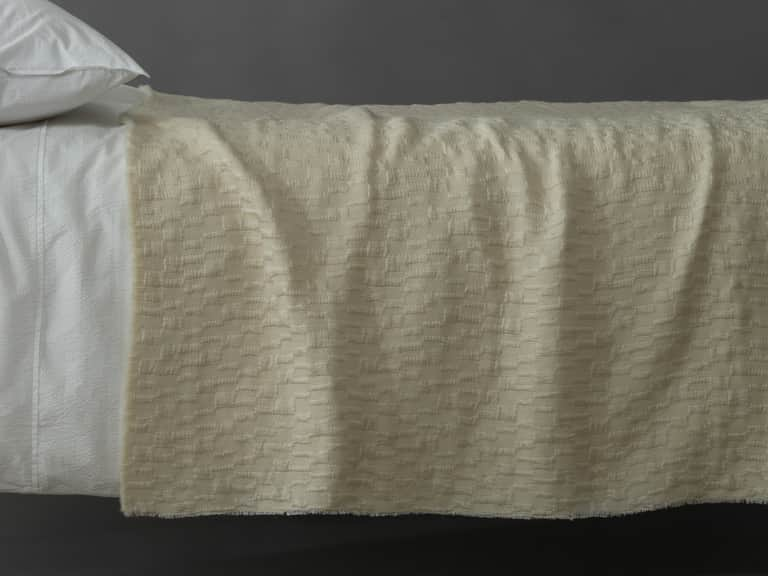
Layal Bedcover
Bring inviting softness and subtle texture to your bed or living room. A plush-feeling blend of alpaca, wool, and silk features tone-on-tone geometric patterns for a refined, cozy finish.
Blankets and quilts serve as essential layers for comfort, insulation, and seasonal adaptability in bedroom design. This category highlights a range of fabrics, textures, and construction methods that contribute to warmth, breathability, and tactile appeal. Understanding the differences between woven, knitted, and quilted options helps determine suitable choices for various climates and bed sizes while maintaining a cohesive aesthetic with bedding, pillows, and sheets.
Key characteristics to consider include material composition (cotton, wool, linen, or synthetic blends), weight (from lightweight to heavyweight), and weave structure. These factors influence thermal regulation, moisture management, and durability. For upholstered or decorative beds, quilts and blankets can add dimension and color harmony with duvet covers and organic mattresses for a unified, luxurious sleep environment.
Product examples like Tex Bedcover illustrate practical features such as dual-layer construction, hypoallergenic fibers, and easy-care maintenance. Tex Bedcover variants are designed to provide drape, warmth, and a soft hand feel, making them suitable for year-round use. The inclusion of performance fabrics can enhance durability and reduce pilling over time.
In addition to warmth, quilts and blankets contribute to room acoustics and comfort by providing a gentle layer that reduces draft exposure and helps regulate bed temperature. When selecting these pieces, consider compatibility with sheets, pillow configurations, and duvet covers to ensure a balanced look and functional layering across different seasons.
Overall, blankets and quilts offer versatile functionality—from lightweight, breathable options to plush, insulating designs. By evaluating material science, construction, and care requirements, caregivers and sleepers can identify products that align with personal comfort, safety standards, and long-term usage alongside organic mattresses and related bedding essentials.
Bedding